
Every spring, the same call comes in: "There's water in my basement, and there's never been water before." Almost always, the cause is a small problem that built up over winter, now showing itself when the ground thaws and runoff increases. A 30-minute walk-around in early spring catches most of these before they become full repairs.
1. Walk the perimeter, look for new cracks
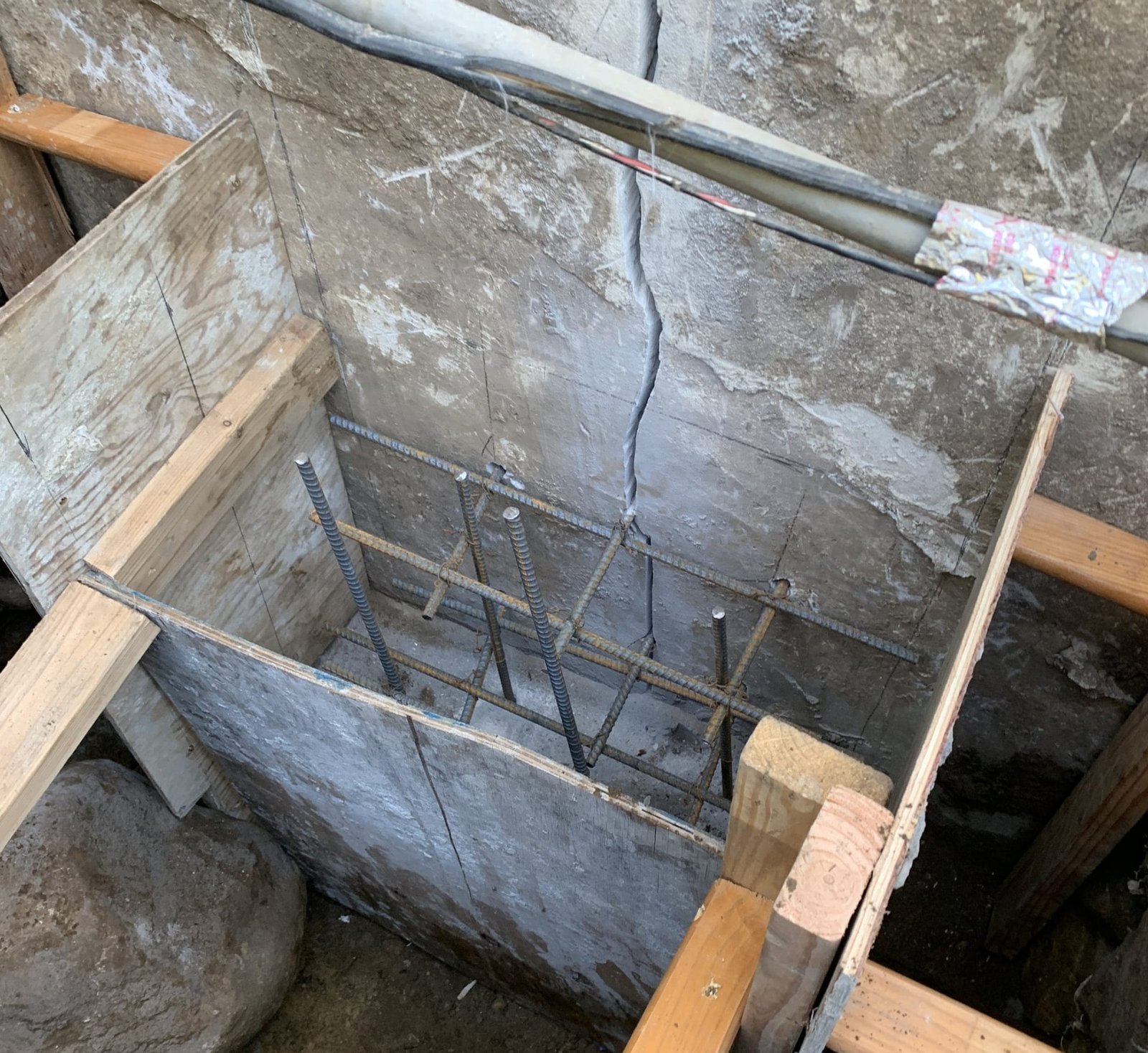
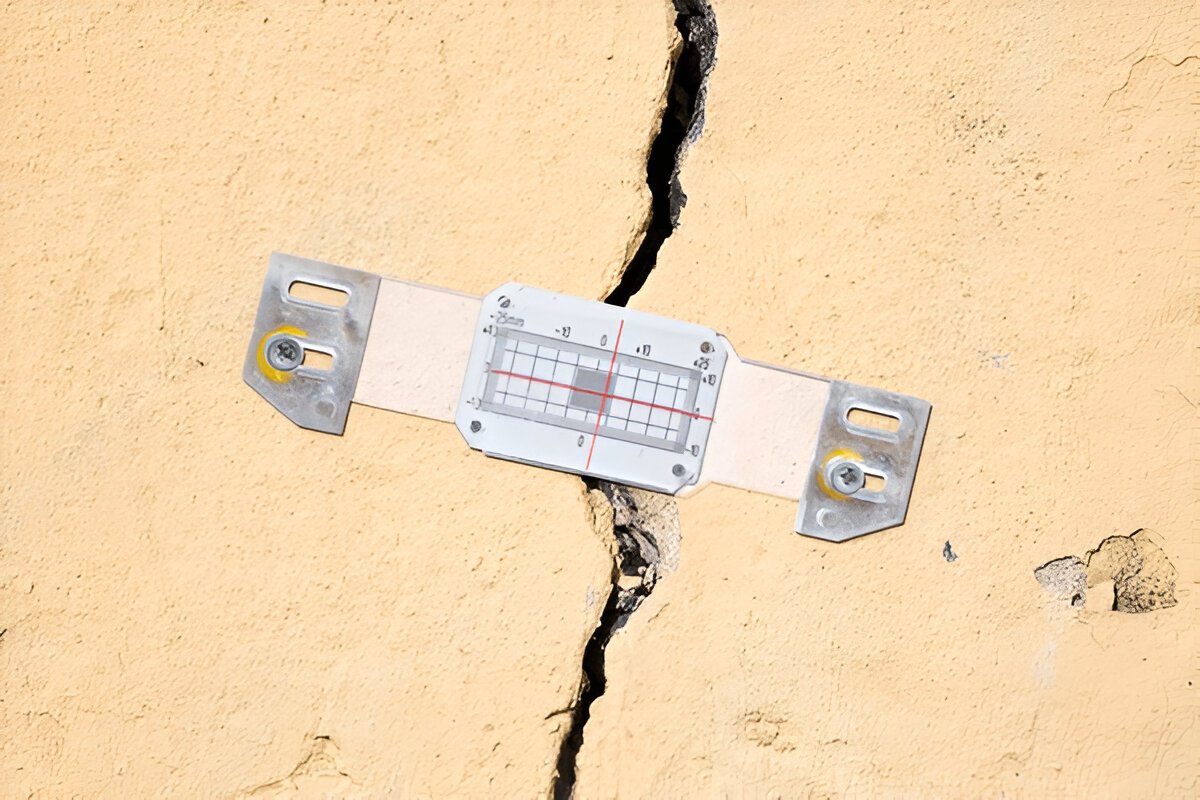
Check the foundation walls (exterior and interior) for any crack you don't remember seeing in November. Hairline cracks that appear over winter are usually freeze-thaw expansion, the most common type in the Northeast. Mark them with a pencil so you can monitor whether they grow.
2. Check the grading
Soil should slope away from the foundation at roughly 1 inch per foot for the first 6 to 10 feet. Frost heave can flatten or reverse this grade over winter. Add fill where it's settled, and never let the grade slope toward the house.
3. Inspect downspouts and gutters
Clear winter debris and confirm every downspout discharges at least 4 to 6 feet from the foundation. Downspouts dumping water against the wall is the single most common driver of foundation cracks and basement leaks we see, especially in older homes throughout the region.
4. Look for efflorescence
White, chalky deposits on basement walls or floor are efflorescence, mineral salts left behind by water that's evaporated through the concrete. It's a sign water is moving through your foundation, even if you haven't seen pooling. Note the location and extent.
5. Check basement floor for new cracks
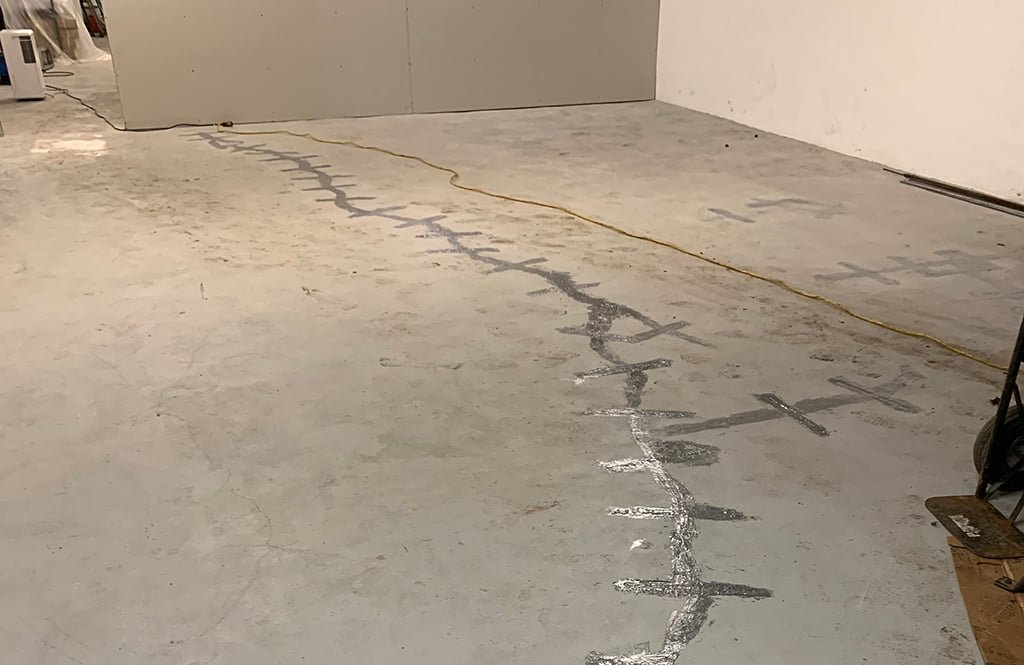
Slabs can crack from frost heave or from soil settlement under the slab over winter. Most slab cracks are cosmetic, but ones that grow, lift, or have white deposits coming through them indicate water pressure underneath, see our guide to types of cracks in concrete slabs.
6. Test door and window operation
Doors that suddenly stick, windows that won't close flush, gaps where trim meets wall, all of these are signs the foundation has shifted. If you didn't have these issues in fall and you do now, get an inspection before the next wet season compounds the movement.
7. Check around basement penetrations
Where pipes, electrical, or HVAC enter the foundation, check for new dampness, staining, or visible cracks around the penetration. These spots concentrate stress and often crack first.
Raf Volkov
Raf has personally inspected and supervised more than 1,300 foundation repairs across Fairfield County, CT and Westchester County, NY since 2002. He attends World of Concrete and manufacturer trainings every year, currently holds 60+ active industry certifications, and works with a scientific background spanning microbiology, toxicology, and structural engineering — applied to every wall, slab, and footing we touch.
Got a crack that needs a real diagnosis?
We service Fairfield County CT and Westchester County NY. Free on-site inspection, honest root-cause diagnosis, written quote, no obligation.