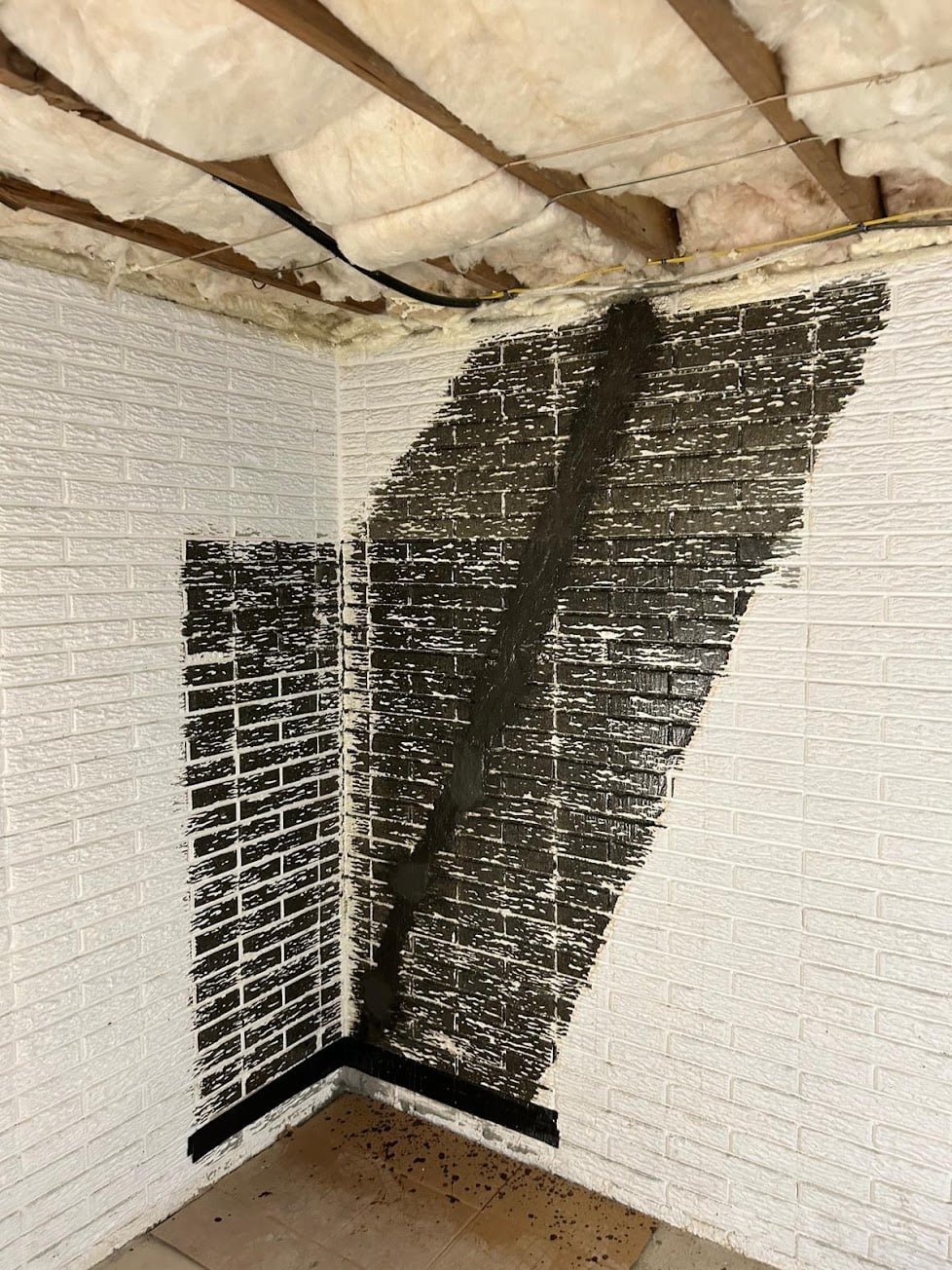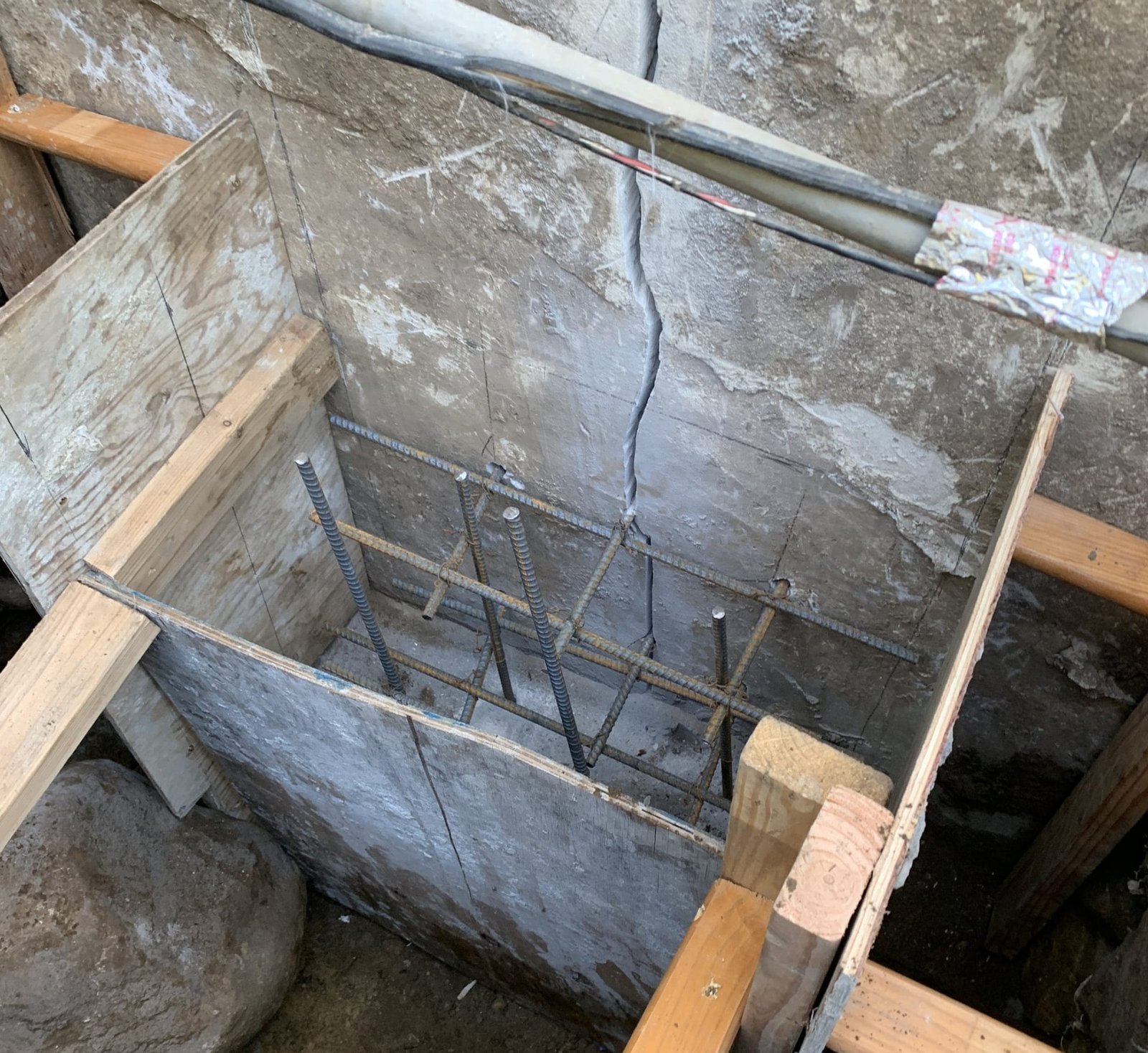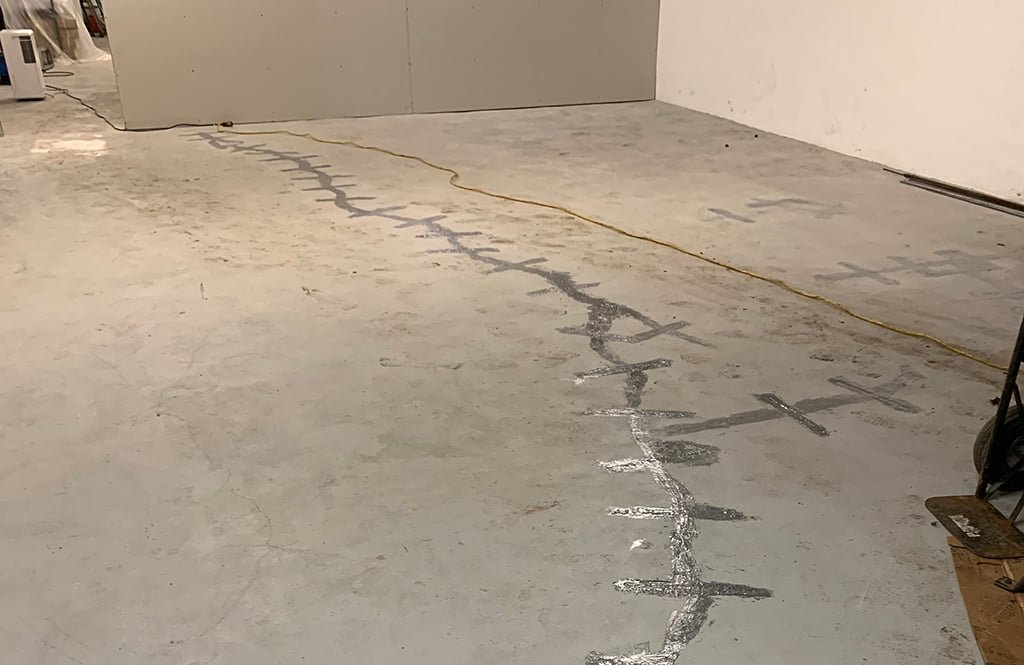
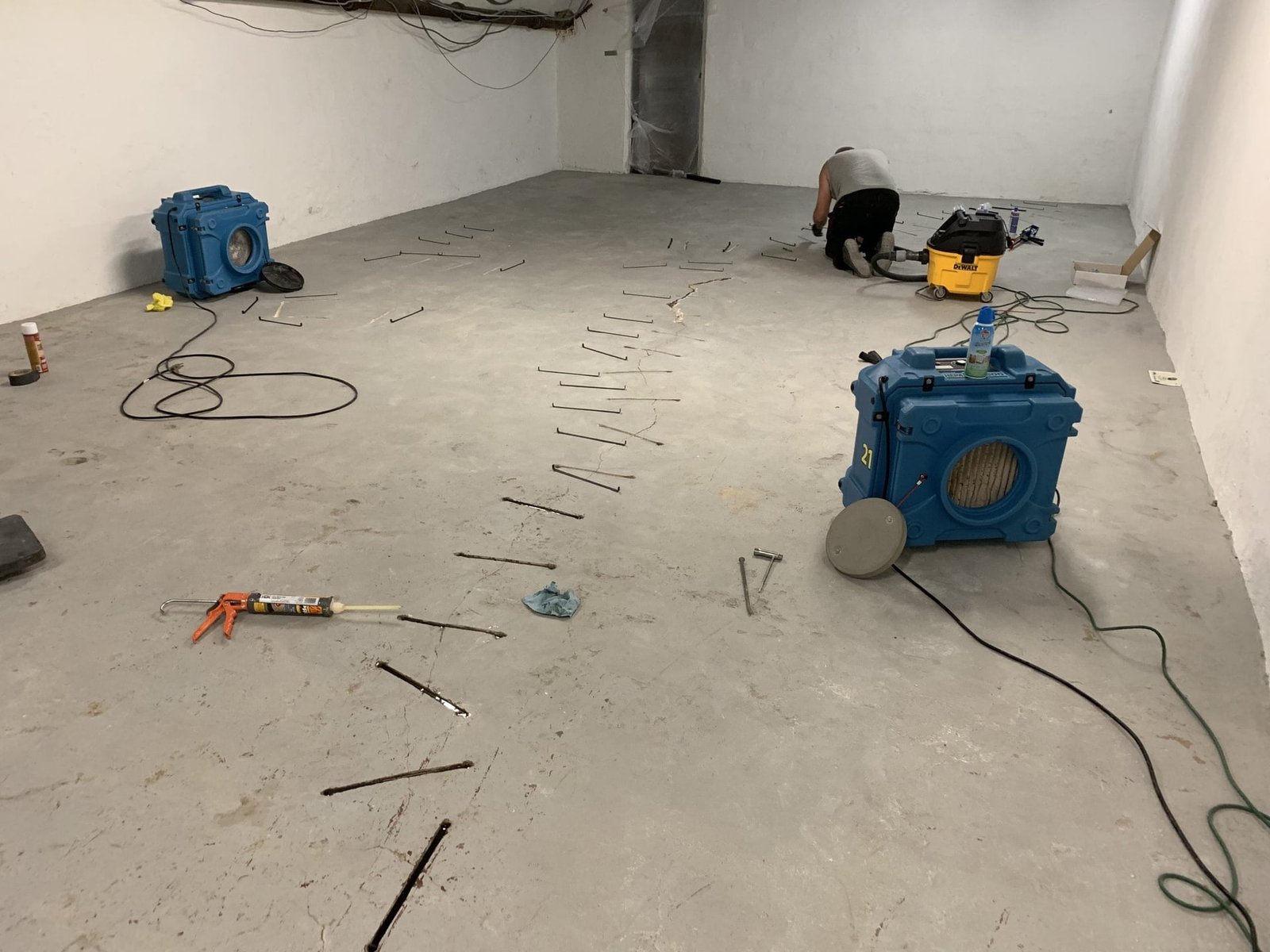

There's a specific kind of frustration that comes with paying for a foundation repair, watching the contractor leave, and then watching water bead through the same crack six months later. We see this pattern almost daily, in fact, 68% of the work we do is fixing repairs another contractor already "completed."
Here's why it keeps happening, and how to make sure your next repair is the last.
Reason 1, the wrong material was used
The most common failure pattern. Hydraulic cement on a crack that's still moving. Surface caulk on an active leak. Rigid epoxy on a wall flexing with seasonal soil pressure. The repair held for a few months while the material was fresh, then failed when the conditions returned. Choosing the right injection chemistry (polyurethane vs epoxy) is half the job.
Reason 2, injection didn't reach full depth
Resin injection only works if it travels through the full thickness of the wall, both interior and exterior face. When ports are spaced too far apart, or the injector pulls off the gun before the wall is saturated, the resin plugs the inside but the outside still leaks. Water finds the path of least resistance and reappears, usually somewhere adjacent to the original repair.
Reason 3, the root cause was never addressed
The crack is a symptom. The cause might be a downspout discharging at the foundation, slope toward the house, a clogged drain tile, or hydrostatic pressure from a high water table. If the contractor seals the crack without changing the conditions outside the wall, the next heavy rain creates the next crack. We see this constantly, especially in older homes across Fairfield County CT where original drainage was undersized.
Reason 4, wrong technique for the wall type
Poured concrete walls behave differently than CMU (block) walls or stone rubble foundations. Block walls have hollow cores and mortar joints that can't be injection-filled the same way poured concrete can. We've seen poured-concrete techniques applied to block walls more than a hundred times, every one of them failed within a season or two.
Reason 5, the warranty was never going to be honored
Some contractors quote a 1- to 5-year warranty knowing they'll be hard to reach when the failure shows up. Others tie warranty terms to maintenance requirements that are impossible to satisfy. By the time the leak returns, the company has rebranded, retired, or simply stopped answering. The warranty document only matters if the company stands behind it, which is why we built ours to be lifetime and transferable.
How to break the cycle
On any second-opinion inspection, ask the contractor three questions: What was the original failure mode (why did the previous repair fail)? What material is going in this time, and why specifically that one? What's the warranty, and is it transferable? If the answers are vague, walk.
Raf Volkov
Raf has personally inspected and supervised more than 1,300 foundation repairs across Fairfield County, CT and Westchester County, NY since 2002. He attends World of Concrete and manufacturer trainings every year, currently holds 60+ active industry certifications, and works with a scientific background spanning microbiology, toxicology, and structural engineering — applied to every wall, slab, and footing we touch.
Got a crack that needs a real diagnosis?
We service Fairfield County CT and Westchester County NY. Free on-site inspection, honest root-cause diagnosis, written quote, no obligation.