
Water Coming Through the Basement Floor
When water comes up through the basement floor instead of the walls, you're looking at a different problem than typical basement seepage. The cause is hydrostatic pressure beneath the slab, and the fix is different too. Here's how we diagnose it and stop it.
Visual signs that match this problem
- Wet patches or pooling water on the basement floor that didn't come from a wall
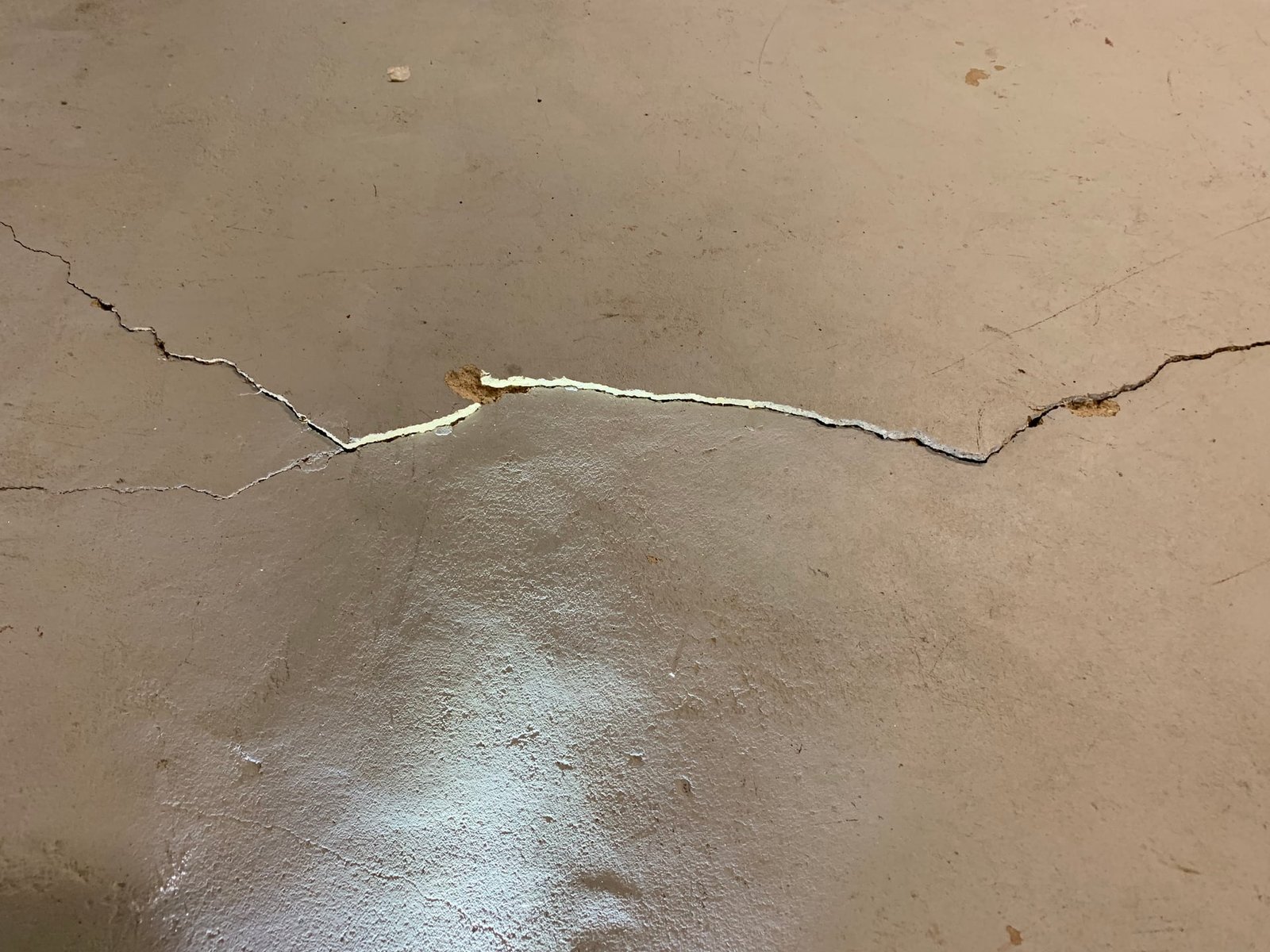
- Water emerging through cracks in the slab
- Water coming up at the cold joint where slab meets wall
- Water entering through a floor drain that has no plumbing source
- Often appears during or after heavy rain, or seasonally during snow melt
The real causes, in order of how often we see them
Rising water table under the slab
When groundwater rises above the bottom of your slab, hydrostatic pressure builds underneath. Water finds the path of least resistance: cracks, the cold joint at the wall, or porous concrete itself.
No drainage or failed drainage under the slab
Older homes often have no exterior or interior perimeter drainage. Newer ones may have a French drain that's clogged with sediment, iron ochre, or root intrusion.
Slab cracks providing water entry
Concrete shrinkage cracks or settlement cracks in the slab give pressurized groundwater a direct path up. We commonly see this where slabs were poured without proper joint planning.
Failed sump pump or no sump pump
If you have a sump pit but the pump has failed (or there's no pit at all), water that the system was supposed to evacuate ends up in the basement instead.
Floor water is not a cosmetic issue. It indicates pressure under the foundation that, if ignored, can lift the slab, damage anything stored on the floor, support mold growth, and corrode rebar in the slab. It's also a sign that the perimeter drainage system, if any, is overwhelmed.
How we'd actually fix it
Step-by-step protocol we follow. Same approach across basement waterproofing jobs in CT and NY.
Map where the water is entering
On-site inspection during or after a wet event when possible. We identify whether water is coming through slab cracks, the cold joint, the slab edge, or a failed drainage point.
Seal active slab cracks
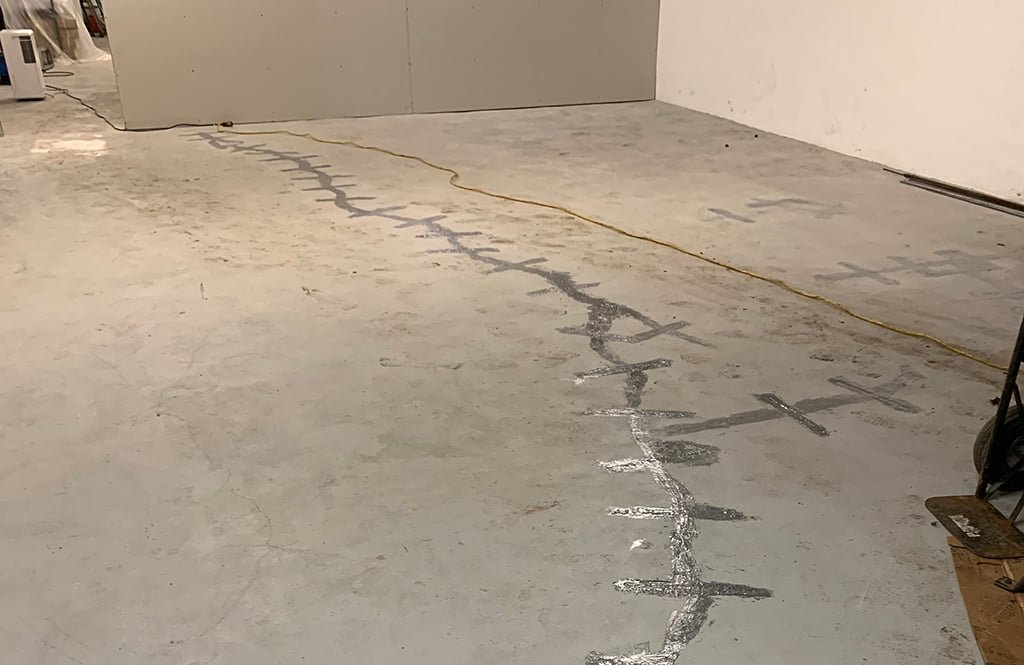
Polyurethane injection through full slab depth seals the immediate water path. For wider cracks, we use a hybrid approach with a fiber-reinforced surface coating.
Install or restore interior drainage
Interior French drain at the perimeter routes water to a sump pit before it can rise through the slab. This is the most reliable long-term fix for chronic floor water.
Sump pump installation or replacement
Where we install drainage, we also install or upgrade the sump pump. Battery backup systems for properties where power outage during a storm would be catastrophic.
Address exterior contributors
Where downspouts, grading, or yard drainage are dumping water near the foundation, we adjust those too. Lifetime warranty on qualifying interior drainage installations.
In-depth guides on this topic
Waterproofing For Basement Walls
What is the best waterproofing method for basement walls? Here's how to find the core issue, improve drainage, and keep ventilation flowing.
Why Your Basement Keeps Leaking Despite Previous Repairs
If you've already paid for foundation work and water is still finding its way in, you're in a familiar pattern. Here are the five reasons repeat leaks happen, and how to break the cycle.
Types Of Cracks In Concrete Slabs, All You Need To Know
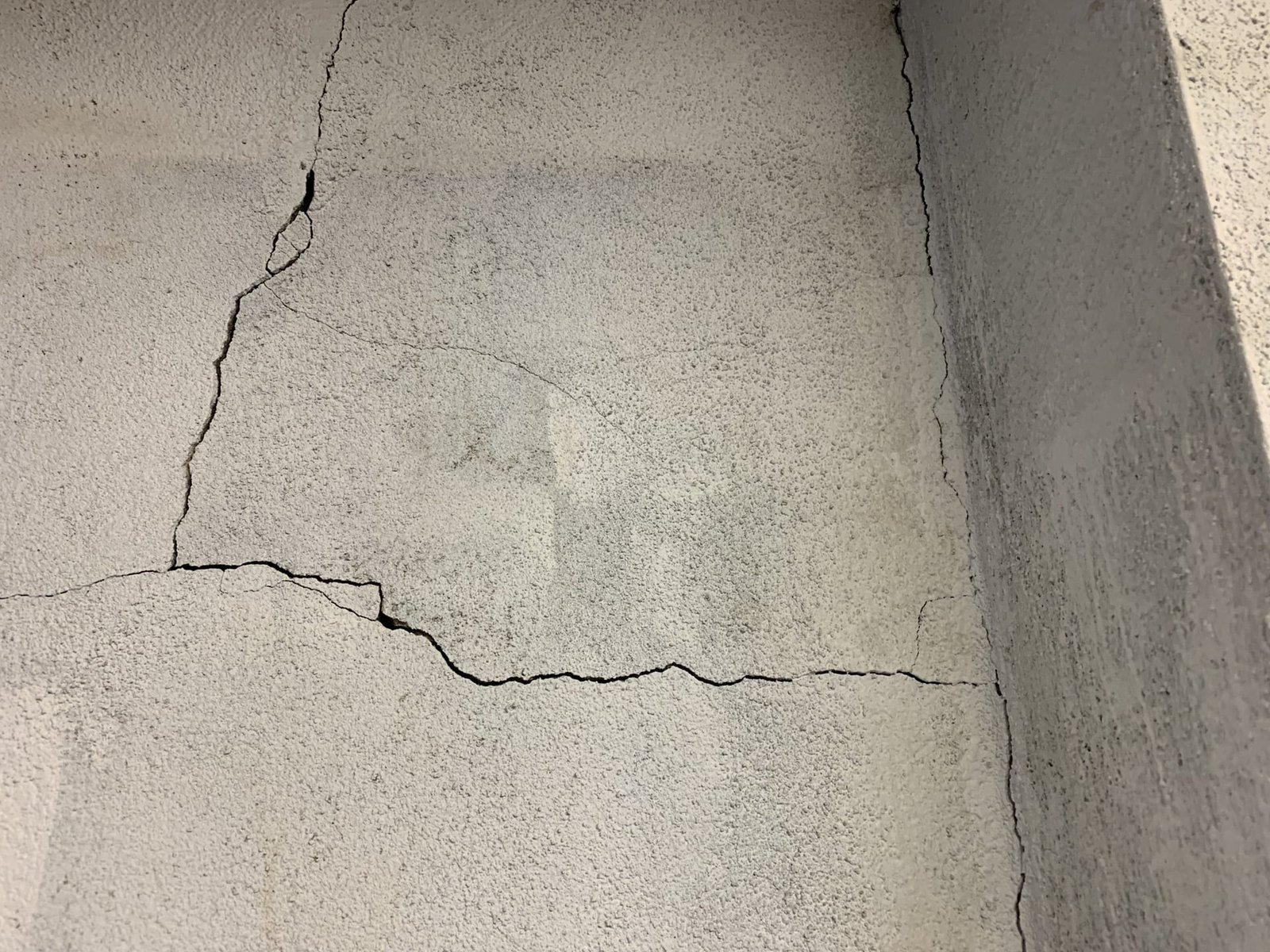
Every crack pattern in a concrete slab tells you what is happening below. Here are the 10 patterns we see most often in CT and NY homes, what each one actually means, and which materials and methods we use to repair them.
Water Coming Through the Basement Floor, answered
Is this groundwater or a plumbing leak?
We can usually tell on inspection. Groundwater typically appears during/after rain or snowmelt, smells like soil, and may carry mineral deposits. Plumbing leaks are constant, may be warm, and often smell different. We test moisture readings and trace the source either way.
Will sealing the slab cracks alone fix it?
Sometimes, if the only entry path is the cracks themselves. More often, the water that was coming through cracks just finds another path (cold joint, slab edge) once the cracks are sealed. The full fix usually involves drainage to relieve pressure under the slab, not just sealing.
Do I need an interior French drain?
If the floor water is recurring across multiple seasons, almost certainly yes. A perimeter interior drain captures water under the slab edge and directs it to a sump before it can rise. This is the most durable fix for chronic floor water in our region.
How disruptive is the work?
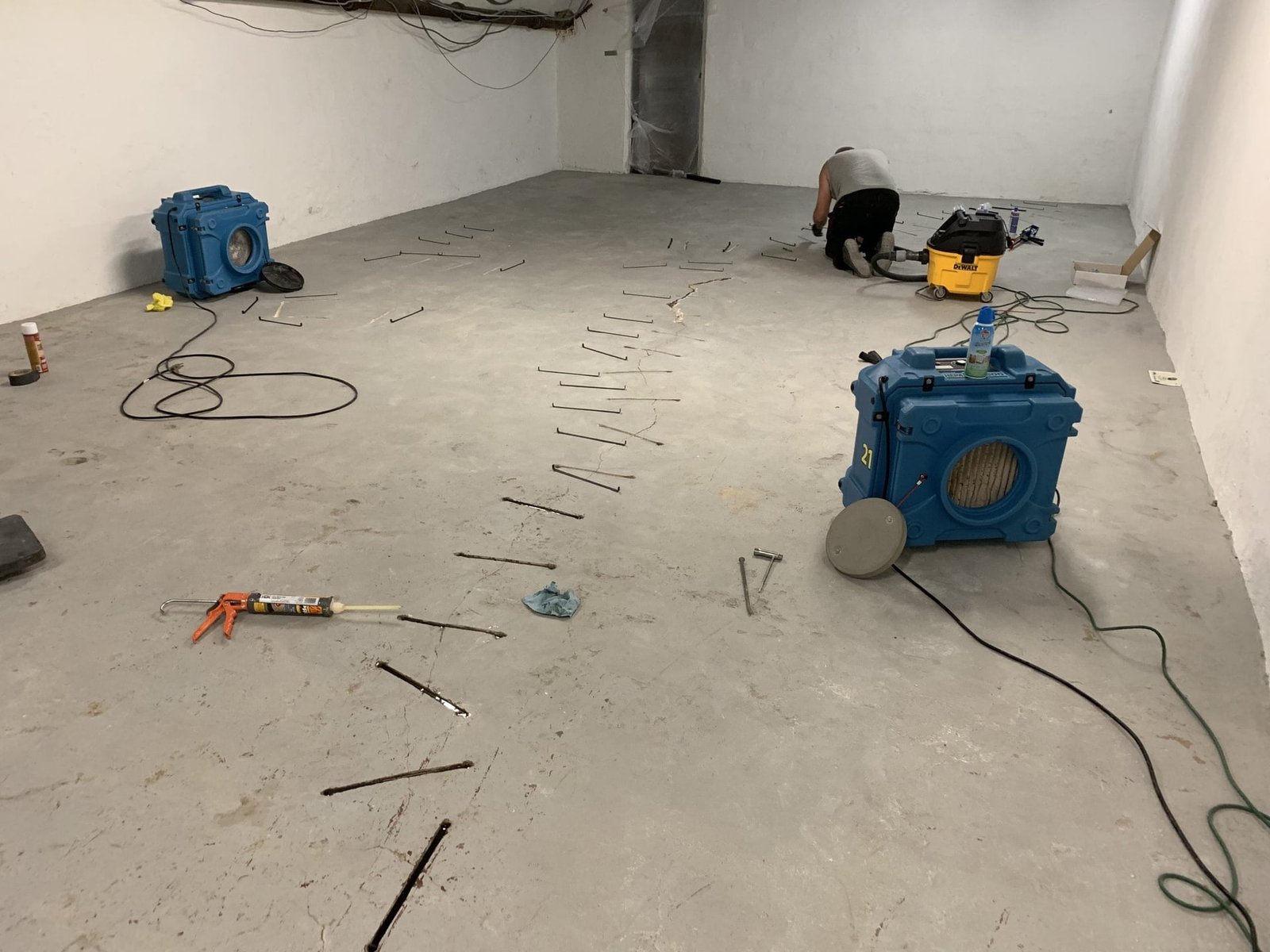
An interior French drain involves cutting a 12-18 inch wide trench around the basement perimeter, installing drain pipe and aggregate, and re-pouring concrete on top. Typical residential job is 2-4 days, with the basement usable the same evening (we limit the open trench to one room at a time where possible).
What does this typically cost?
Slab crack injection alone: $400-$1,500 per crack. Full perimeter interior French drain with sump: $7,000-$18,000 depending on basement size, access, and whether structural finishes need to be removed and replaced. Free written quotes.
Got a water coming through the basement floor?
Free on-site inspection · written quote · lifetime transferable warranty on qualifying structural repairs.