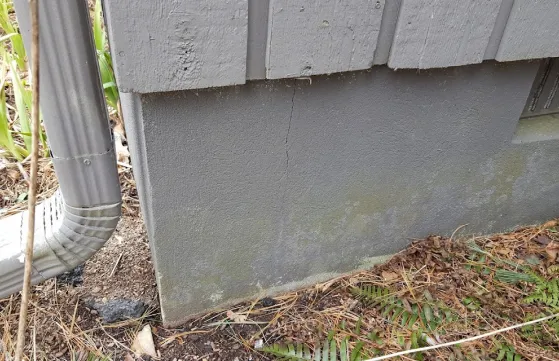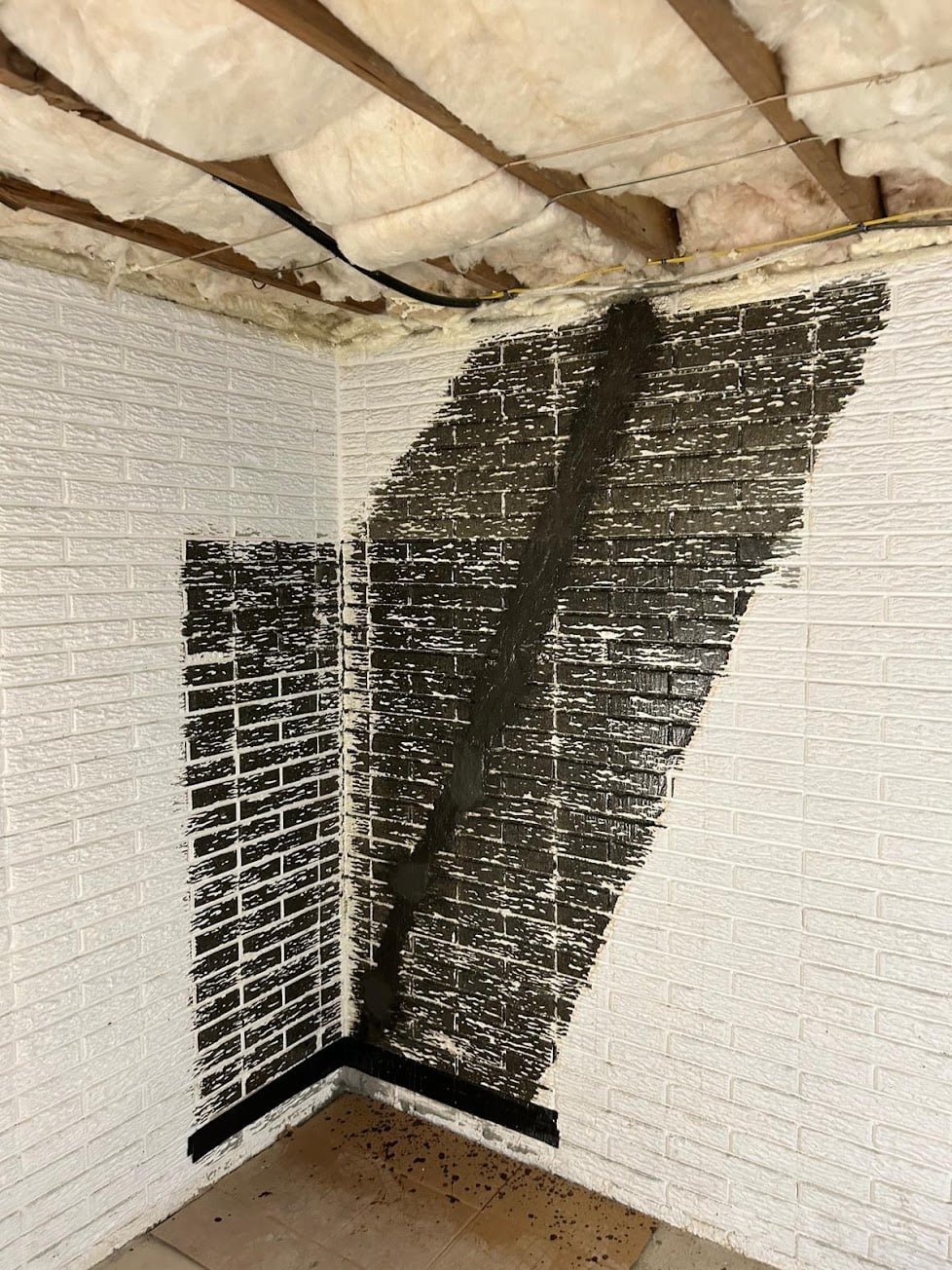
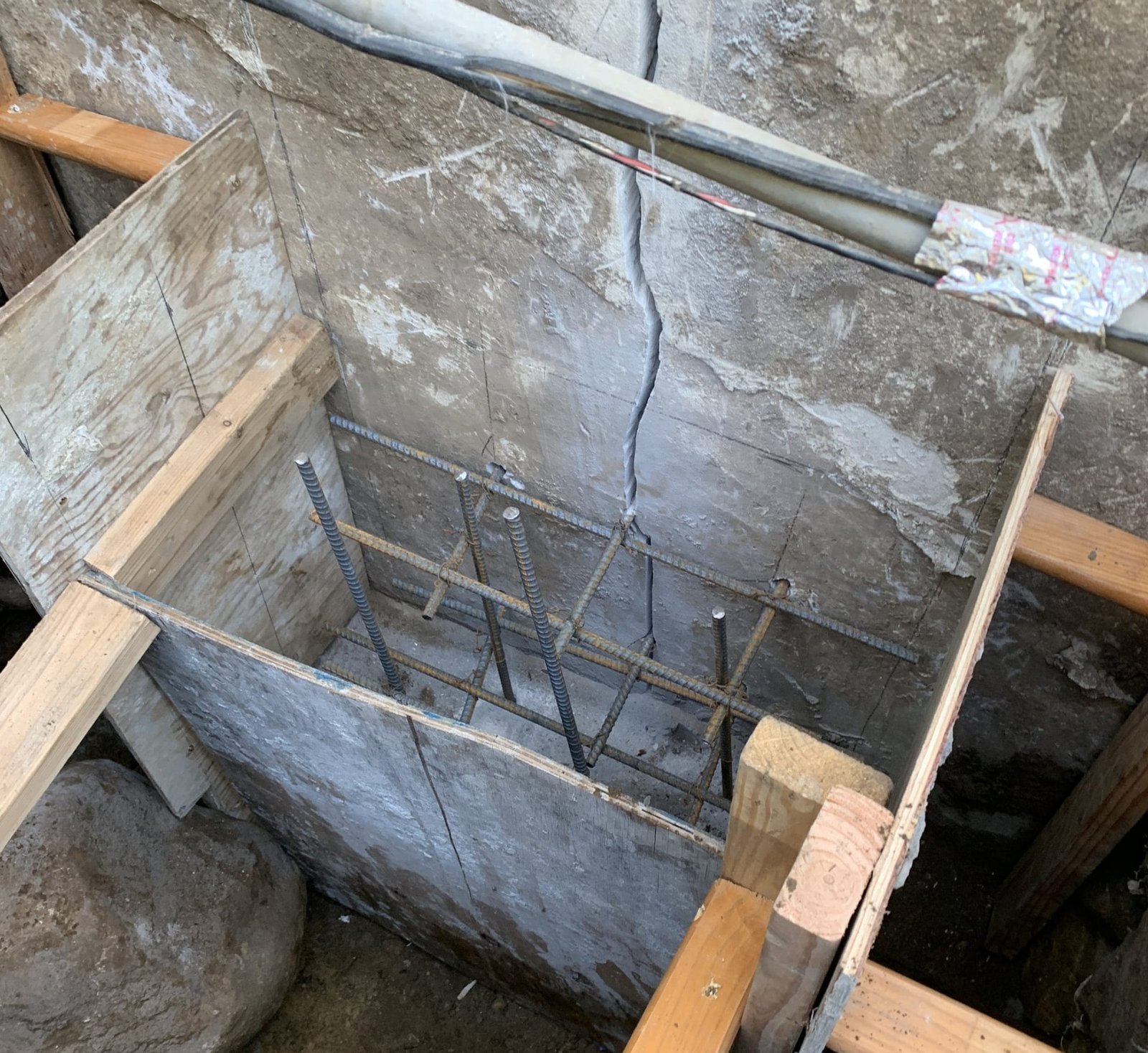
When you buy a home in CT or NY, the standard home inspection includes a foundation walk-through. The findings often drive negotiations at closing or follow-up specialty inspections. A typical foundation report uses language that sounds alarming whether the issue is cosmetic or structural. Here's how to read it.
Standard sections you'll see
Most foundation reports include:
- **Visual condition** — overall assessment of what the inspector saw
- **Cracks** — locations, sizes (often by feeler-gauge measurement), patterns
- **Moisture** — staining, efflorescence, active seepage, ambient humidity
- **Bowing or deflection** — measured against a plumb reference
- **Floor flatness** — slope readings if uneven
- **Drainage** — exterior conditions, downspout discharges, grading
- **Recommendations** — usually one of: monitor, further evaluation, repair
How to translate the language
- **"Settlement cracks"** — almost always vertical, usually historical, often stable. Cosmetic to medium-severity
- **"Hairline cracks"** — generic term, see our crack widths guide for what actually matters
- **"Efflorescence noted"** — water has moved through the wall at some point. Inspector saying moisture is reaching the interior
- **"Lateral deflection observed"** — the wall is bowing. This is structural, get it inspected by a foundation specialist
- **"Recommend further evaluation by a qualified specialist"** — inspector found something they don't want to call but think a professional should look at. Almost always worth doing
- **"Active leak" / "Active moisture"** — water is currently entering. Different from historical staining
What deserves immediate action
- 1Any horizontal crack, regardless of width
- 2Any bowing or deflection over 1 inch
- 3Active water entry through cracks or the slab
- 4Stair-step cracks in block walls
- 5Any crack actively growing month to month
What's worth monitoring but not urgent
- Stable vertical cracks under 1/8 inch
- Hairline cracks at typical concrete-shrinkage locations (corners, around windows)
- Old efflorescence with no current water entry
- Minor floor cracks that are tight and not transmitting water
What's a red flag in the report itself
If the report has any of these features, get a specialist's second opinion before signing or budgeting:
- Generic language without specific measurements ("some cracking observed")
- No photographs of identified issues
- Recommendations that pivot to selling a service (some inspectors are also installers, conflict of interest)
- Categorical statements like "foundation is sound" or "all cracks are cosmetic" without supporting evidence
When to get a specialist's read
A general home inspector is a generalist. They're trained to identify foundation issues, not always to diagnose the cause or scope a repair. Anytime the report uses language like "recommend further evaluation," or finds anything in the immediate-action category above, a foundation specialist's free inspection is the next step. We typically respond within 48 hours and the inspection itself is free, regardless of whether you book the work.
Raf Volkov
Raf has personally inspected and supervised more than 1,300 foundation repairs across Fairfield County, CT and Westchester County, NY since 2002. He attends World of Concrete and manufacturer trainings every year, currently holds 60+ active industry certifications, and works with a scientific background spanning microbiology, toxicology, and structural engineering — applied to every wall, slab, and footing we touch.
Got a crack that needs a real diagnosis?
We service Fairfield County CT and Westchester County NY. Free on-site inspection, honest root-cause diagnosis, written quote, no obligation.